Recently I came across how we as parents can make the best of parenting in this new age.

Children wanted to feel empower, but emotionally they are not mature enough to handle the stress. We as parents had also become too stressed and felt lacking of time to engage them.

Raise resilient, self-assured kids with simple, joyful tools you can use today. Confident Kids Bundle: Nurturing Emotional Strength is a practical 3-in-1 Bundle that helps families build confidence, self-esteem, and emotional intelligence—without guesswork. Inside, you’ll find a research-informed parent guide, playful activities for little ones, and a printable EQ checklist that turns everyday moments into teachable wins. Short lessons, ready-to-print pages, and step-by-step prompts make it easy to bring calm, courage, and connection into your home or classroom.

I found below great bundles to help in parenting:
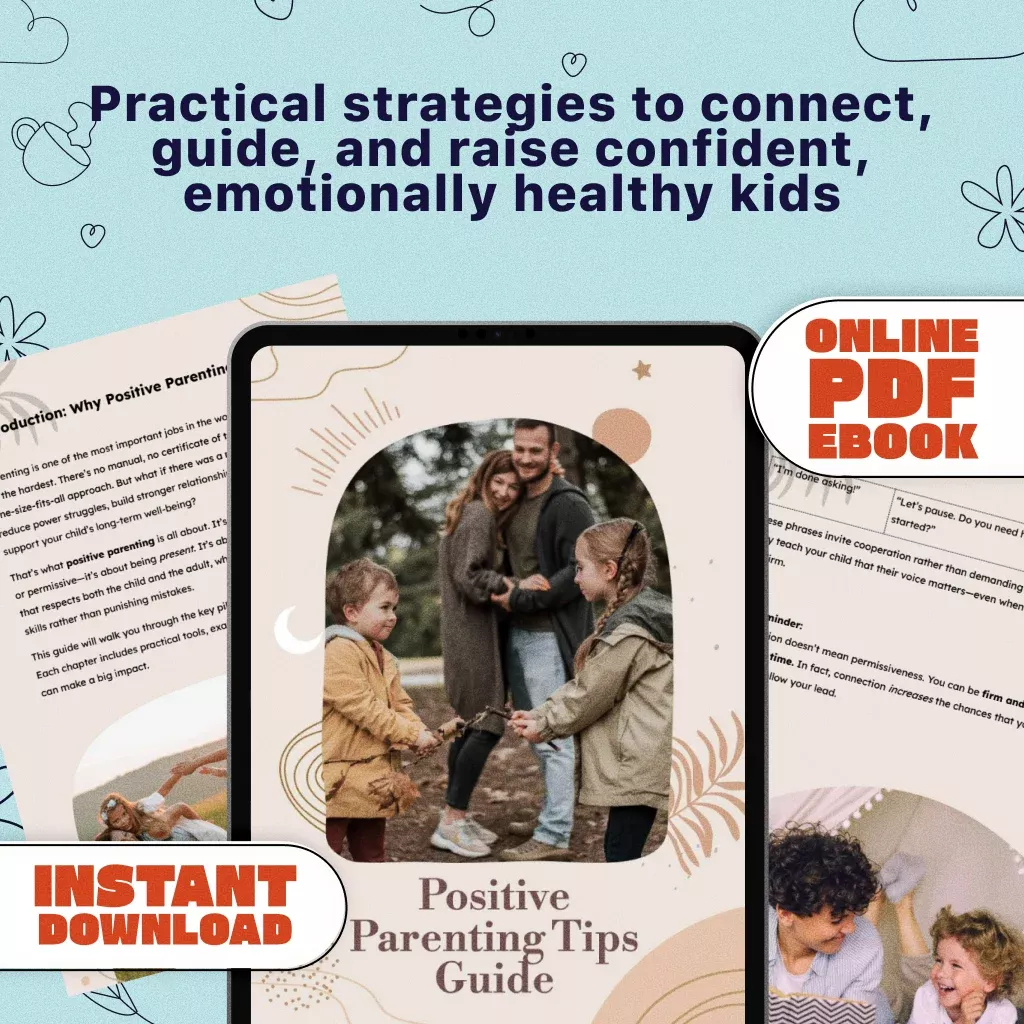
Discover a calmer, more connected way to raise your child with the Positive Parenting Tips Guide — a beautifully structured eBook designed to help you parent with empathy, confidence, and clarity. Whether you’re navigating tantrums, power struggles, or simply looking to deepen your bond, this digital download offers actionable strategies grounded in the science of child development. Perfect for moms, dads, or caregivers ready to replace chaos with connection, and punishment with purposeful guidance.


The problem in bringing up good and confident kids are not as simple as telling them how to behavior, but instead we as parents are to nurture their emotion.

⭐ 1. Show unconditional love

Let your child know they are valued for who they are, not for what they achieve.

  • Use warm, consistent affection.

  • Separate behavior from identity: “I don’t like what you did” instead of “I’m disappointed in you.

⭐ 2. Encourage effort, not perfection

Confidence grows when kids see themselves improving.

  • Praise effort, strategies, and persistence (“You worked really hard on that”).

  • Normalize mistakes as part of learning.

  • Model handling failure calmly.


⭐ 3. Give them responsibilities

Children feel capable when trusted with age-appropriate tasks.

  • Let them help with cooking, organizing, feeding pets, small chores.

  • Celebrate follow-through so they see themselves as reliable and competent.


⭐ 4. Let them solve problems

Resist the urge to jump in immediately.

  • Ask guiding questions: “What do you think we could try?”

  • Allow manageable struggles so they build problem-solving muscles.

  • Teach them how to break tasks into steps.


⭐ 5. Create opportunities to practice skills

Confidence comes from competence.

  • Encourage activities they enjoy: sports, art, music, building, reading, etc.

  • Support consistent practice instead of perfectionistic expectations.


⭐ 6. Teach emotional skills

Kids who understand their feelings handle setbacks better.

  • Name emotions (“It looks like you’re frustrated”).

  • Teach calming strategies: deep breaths, break time, movement.

  • Encourage expressing needs respectfully.


⭐ 7. Be a model of confidence

Children copy what they see.

  • Show them how you try new things.

  • Talk about your own challenges and how you handle them.

  • Speak kindly about yourself in front of them.


⭐ 8. Set boundaries and structure

Clear, loving limits help kids feel safe and grounded.

  • Predictable routines reduce stress.

  • Consistent rules teach responsibility and self-control.

  • Correct behavior calmly and fairly.


⭐ 9. Support social skills

Confident kids know how to interact with others.

  • Encourage sharing, taking turns, and listening.

  • Arrange playdates or group activities.

  • Teach respectful communication and assertiveness.


⭐ 10. Celebrate uniqueness

Help your child appreciate what makes them them.

  • Pay attention to their interests and strengths.

  • Avoid comparing them to siblings, cousins, or classmates.

  • Highlight their growth and individuality.


Comments powered by CComment

Similar Items